Decompression therapy
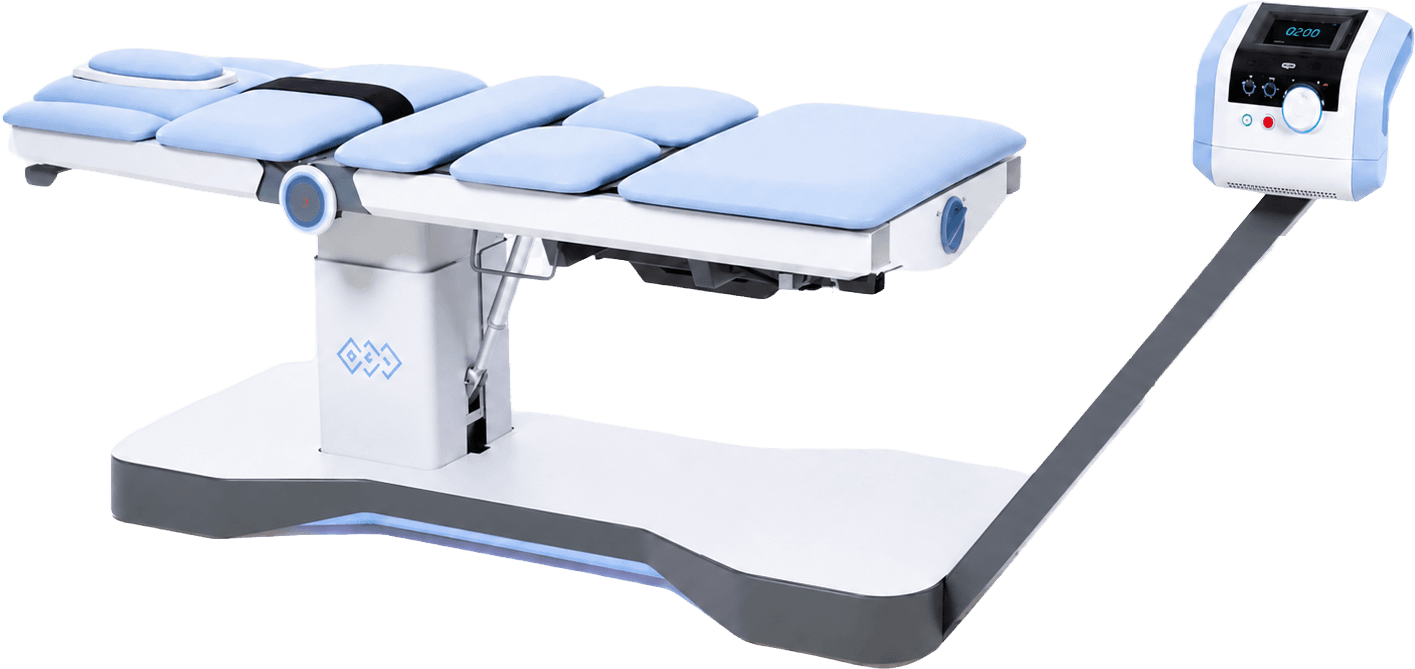
Decompression therapy is a device-based method where controlled, gentle traction and unloading are applied to the spine. The procedure may help reduce mechanical load on intervertebral discs, nerve roots and surrounding tissues.
What is decompression therapy?
Decompression therapy is used for back and neck pain when symptoms may be related to spinal overload, intervertebral disc problems, nerve root irritation or movement limitations.
During the procedure, the specialist selects the treatment mode, body position and load. The goal is not to “pull strongly”, but to gradually and safely reduce mechanical load and support tissue recovery.
Purpose of therapy
- Reduce mechanical load on spinal structures.
- Support pain reduction in the back or neck area.
- Improve freedom of movement and everyday function.
- Complement rehabilitation together with movement therapy and other methods prescribed by the specialist.
When may it be suitable?
- back or neck pain
- disc protrusion or herniation — after assessment
- pain radiating into the leg or arm
- limited spinal movement
- muscle tension in the back or neck area
- rehabilitation after overload or long-lasting pain
When is it not suitable or caution is needed?
- acute spinal trauma or instability
- spinal fracture or suspected fracture
- severe osteoporosis
- tumours or suspected oncological process
- acute infection, fever or marked inflammation
- recent spinal surgery without medical clearance
- pregnancy
- rapidly increasing numbness, weakness or bladder/bowel control problems
Before the procedure, inform the specialist if you have:
How does the procedure work?
1. Assessment
The specialist discusses complaints, pain location, previous diagnoses and checks whether the procedure is safe in the specific situation.
2. Positioning
The patient is positioned on the device. The spinal segment and treatment mode are selected.
3. Controlled unloading
The device performs gentle controlled unloading. Sharp or increasing pain should not occur during the procedure.
4. After the procedure
The specialist may recommend rest, gentle exercises or a combination with other rehabilitation methods such as HILT, SIS or therapeutic exercise. Intensive mechanical treatment of the back area is performed only after specialist assessment.
What should the patient know?
Decompression therapy is usually part of a broader rehabilitation plan. The best results are often achieved when the procedure is combined with load control, ergonomic advice, a gentle regimen and specialist supervision.
Recommended course
The commonly recommended course is 10 procedures. The number and frequency of sessions may be adjusted individually depending on symptoms, diagnosis, wellbeing and response to therapy.
Gentle regimen during the course
During the course, aggressive mechanical or heat-based procedures on the back area are not recommended without prior agreement with the specialist — including intensive massage, strong manual manipulation, warming compresses, applicators, sauna or steam bath, as well as intense sports activity or heavy physical load.
Hydration
During the whole course, it is advisable to drink a sufficient amount of water, unless there are medical fluid restrictions or other contraindications. It is also advisable to bring water to the procedure.
Lumbar support after the procedure
If the patient has an elastic lumbar support belt and it does not cause discomfort, it may be recommended to wear it for approximately 2 hours after the procedure. This helps the back return more gently to everyday loading after spinal unloading.
Is decompression therapy suitable for you?
If you have back or neck pain, disc-related problems or radiating pain, book a visit. A specialist will assess your condition and help choose the safest therapy plan.