Fizioterapijas prakse
Fizioterapijasprakse
Back to services

Physical therapy modalities

Physical therapy modalities include modern device-based methods that may help reduce pain, improve movement function, support tissue recovery and assist the rehabilitation process. Procedures are selected individually according to the patient’s condition, indications and therapy goals.

What are physical therapy modalities?

Physical therapy modalities use physical factors such as light, magnetic field, ultrasound, mechanical action, electrical stimulation, heat, cold and other technologies. They may help reduce pain, inflammation, muscle tension and support tissue metabolism.

These methods are often used together with therapeutic exercise, massage and a rehabilitation plan. The choice of procedure depends on complaints, diagnosis, contraindications and the patient’s individual response.

Purpose of therapy

  • Reduce pain and muscle tension.
  • Support tissue recovery and healing.
  • Improve range of motion and functional ability.
  • Assist rehabilitation after injuries, overload or operations.

When may it be suitable?

  • back, neck and joint pain
  • muscle tension and overload
  • rehabilitation after injuries or operations
  • limited range of motion
  • sports injuries and overload syndromes
  • chronic pain and recovery support

When is caution needed?

  • acute infection or fever
  • active inflammation or severe pain of unclear origin
  • oncological disease or suspicion without medical assessment
  • pregnancy — depending on the type of procedure
  • implanted electronic devices, such as a pacemaker
  • skin damage in the treatment area or other conditions where the procedure is not safe

Main device-based methods

These procedures are an important part of physical therapy — they support spinal unloading, gait training, pain reduction, muscle activation and tissue recovery.

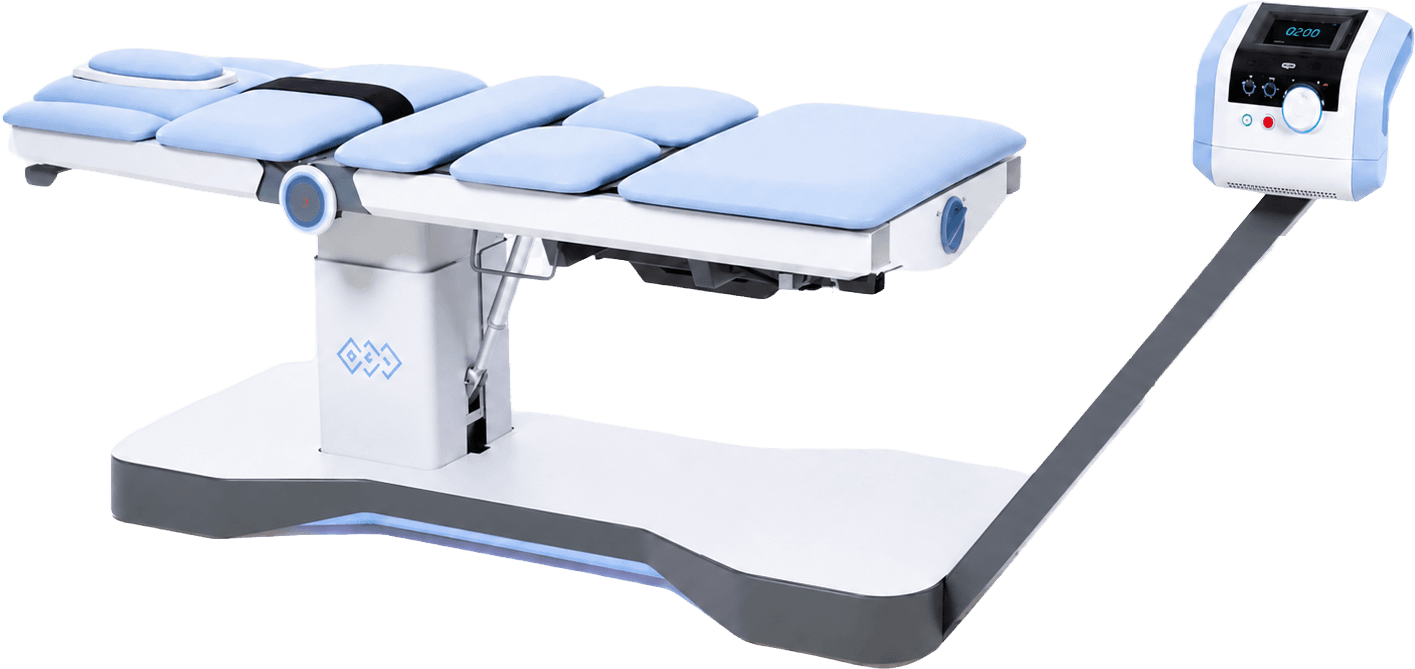
Decompression therapy device
Gentle spinal unloading

Decompression therapy

Decompression therapy is used to reduce mechanical load on the spine and support rehabilitation in cases of back pain, disc-related problems and movement limitations.

Indications

  • back and neck pain
  • intervertebral disc-related problems
  • radicular pain or marked tension
  • limited spinal movement

Contraindications

  • acute trauma or instability
  • severe osteoporosis
  • oncological disease without medical assessment
  • conditions where spinal unloading is not safe
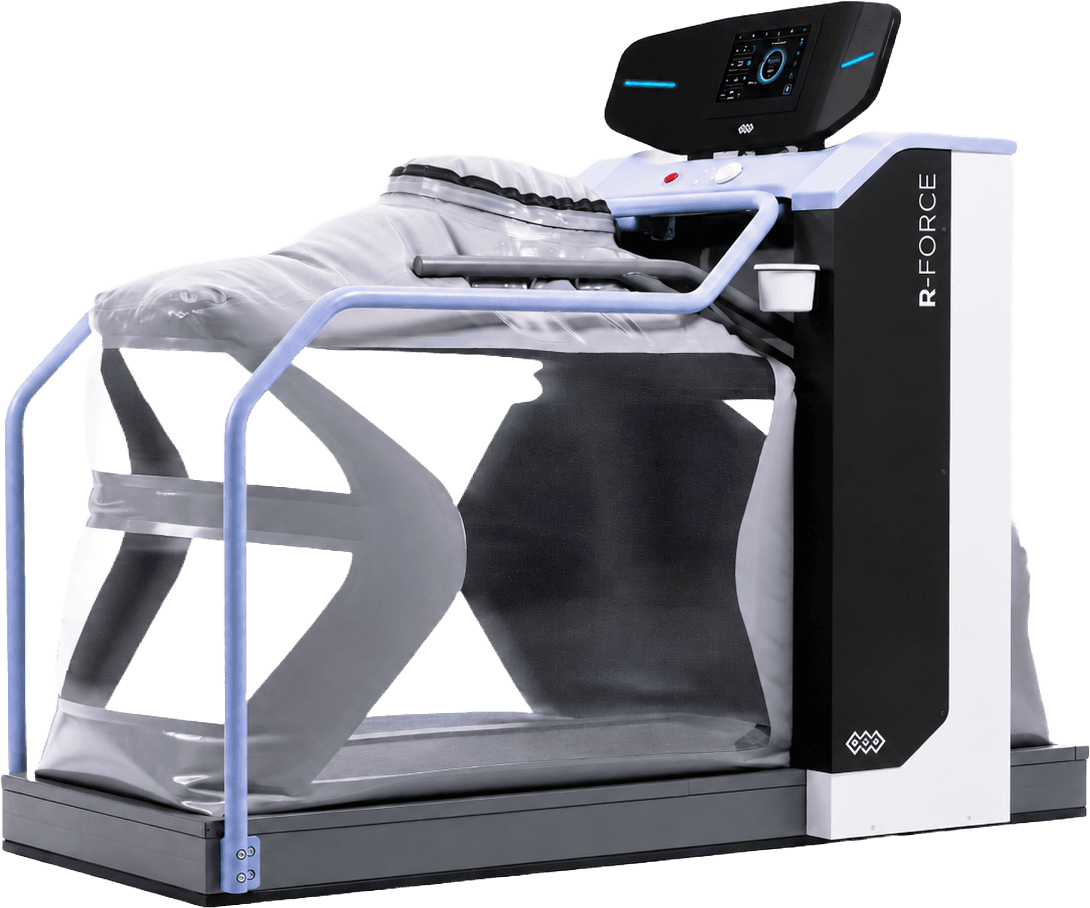
BTL R-Force anti-gravity gait therapy device
Gait training with body-weight support

BTL R-Force anti-gravity gait therapy

BTL R-Force enables gait and load training with controlled body-weight support. It helps restore movement more safely after injuries, operations or neurological disorders.

Indications

  • gait disorders
  • rehabilitation after lower-limb injuries
  • load restoration after operations
  • return to movement load for athletes

Contraindications

  • acute trauma without assessment
  • severe dizziness or unstable blood pressure
  • conditions where physical load is not safe
  • individual restrictions set by a doctor or specialist
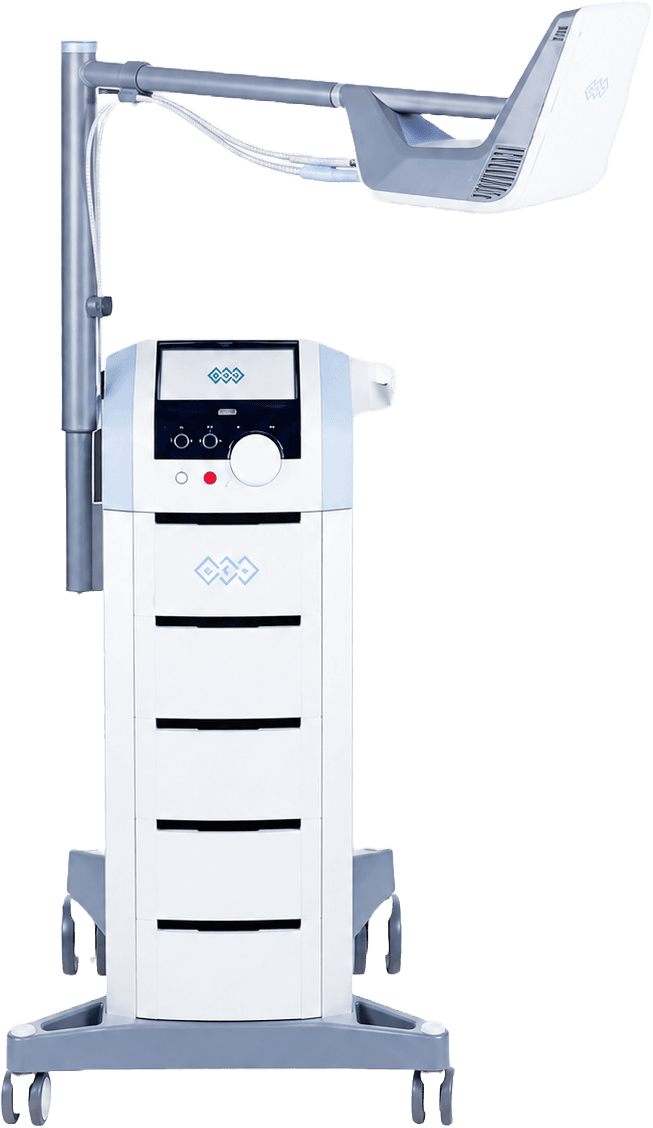
HILT therapy device
High-intensity laser therapy

HILT therapy

HILT therapy is used for pain reduction, deeper tissue effect and support of the recovery process. It may be suitable for muscle, joint and tendon overload conditions.

Indications

  • back, neck and joint pain
  • muscle and tendon overload
  • sports injuries
  • support of recovery process

Contraindications

  • oncological disease without medical assessment
  • pregnancy in the treatment area
  • active bleeding or recent tissue damage
  • unsuitable skin condition in the treatment area
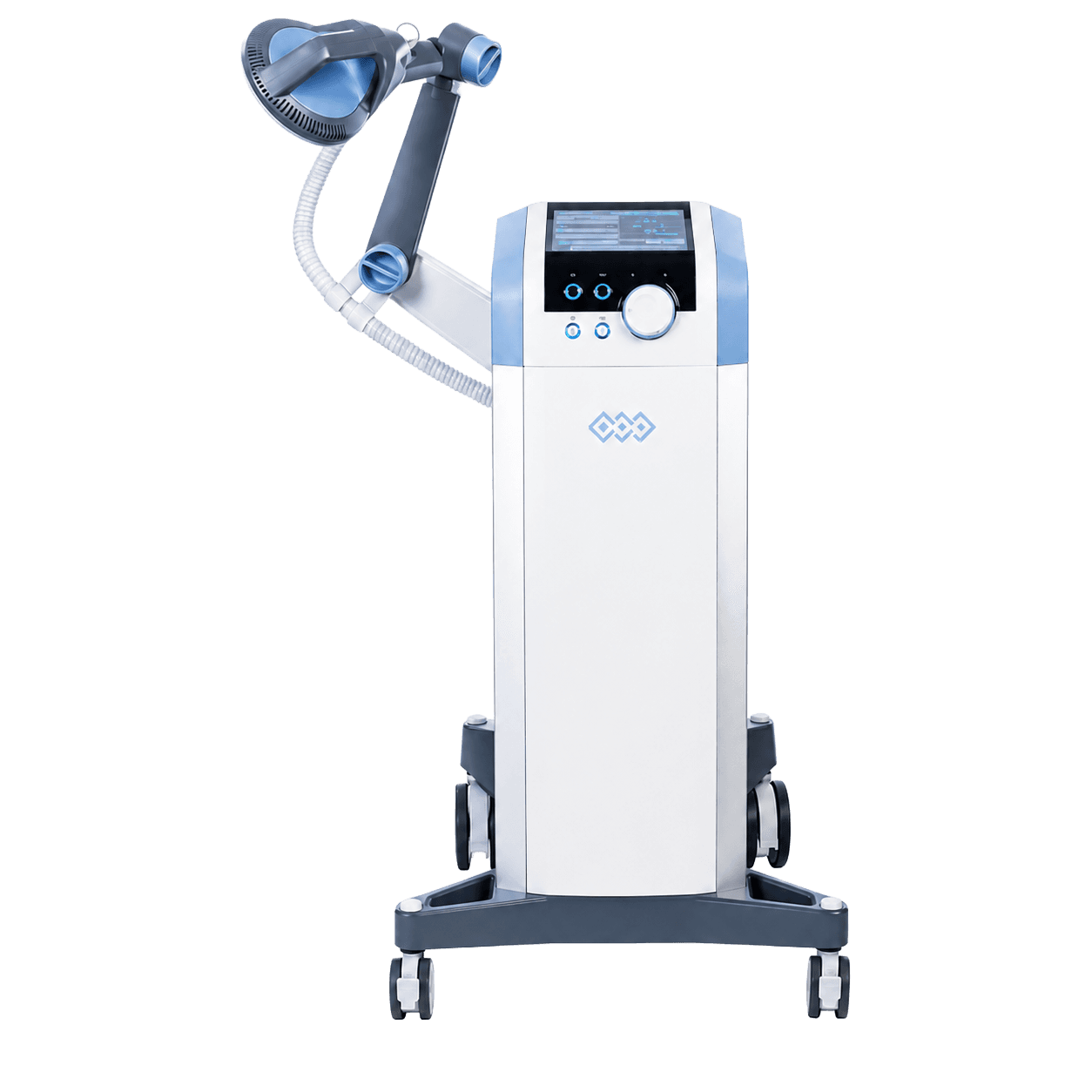
SIS therapy device
Super inductive stimulation

SIS therapy

SIS therapy uses strong electromagnetic stimulation to activate muscles, reduce pain and support functional rehabilitation. The procedure is adjusted individually.

Indications

  • muscle activation
  • pain reduction
  • functional rehabilitation
  • muscle imbalance or weakness

Contraindications

  • implanted electronic devices
  • metal implants in the treatment area — after assessment
  • pregnancy
  • epilepsy or conditions where stimulation is not safe

Other physical therapy procedures

In addition to the main device-based methods, other physical therapy procedures are used and selected individually by a specialist according to indications.

Overload

Shockwave therapy

Mechanical stimulation used for tendons, ligaments and chronic overload-related pain.

Ultrasound

Ultrasound and phonophoresis

Ultrasound effect for tissue micromassage, metabolism support and local therapy.

Magnet

Magnetotherapy

Low-intensity magnetic field procedure supporting recovery and pain reduction.

Electro

Electrotherapy

Different electrotherapy methods for pain control, muscle stimulation and rehabilitation.

Not sure which procedure to choose?

Book a visit or consultation. A specialist will help assess your complaints and choose the most suitable physical therapy method.