
Electrotherapy
Electrotherapy includes several physical therapy methods using controlled electrical impulses. Procedures may help reduce pain, stimulate muscles, support local circulation and assist the rehabilitation process.
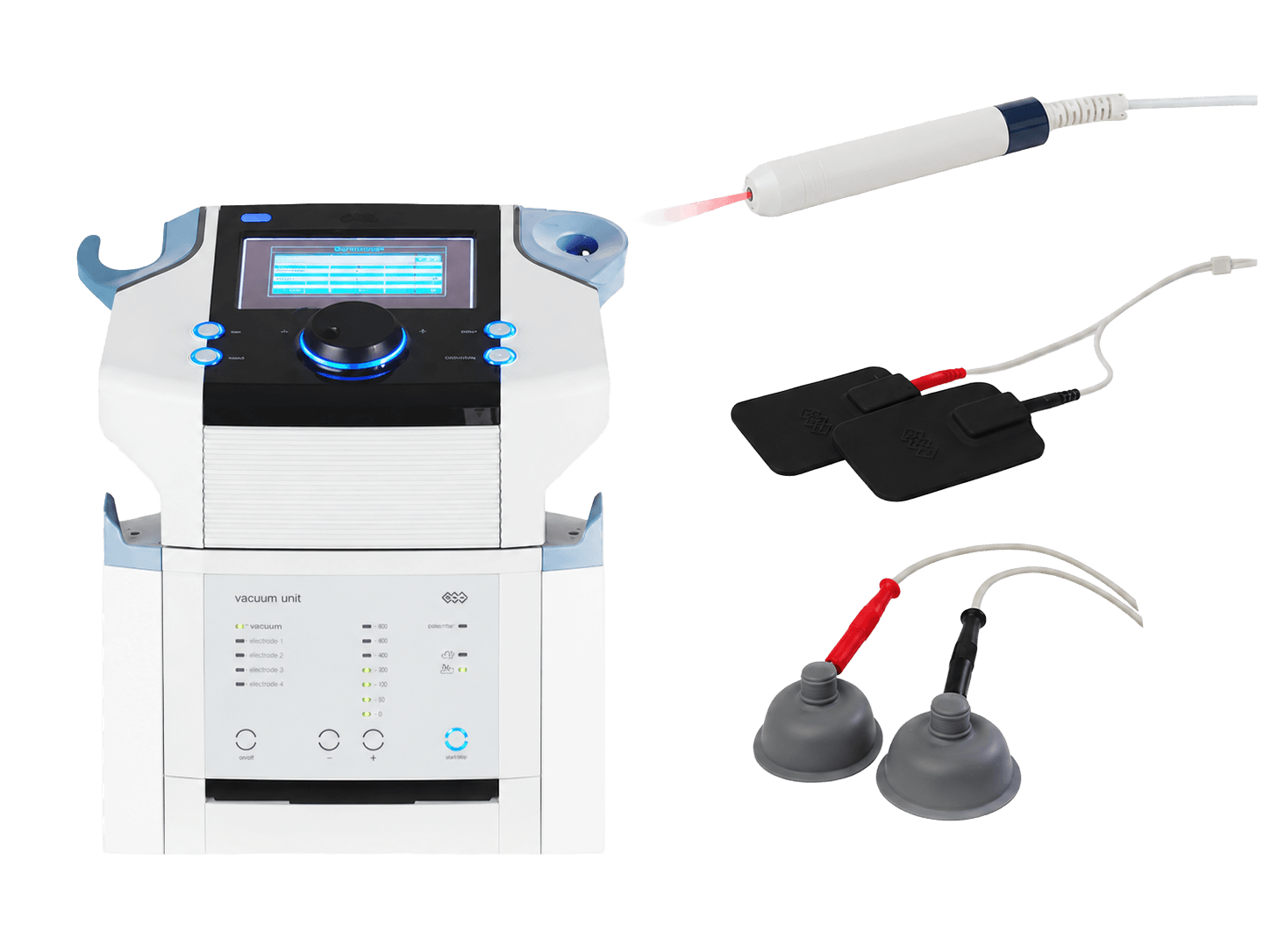
What is electrotherapy?
Electrotherapy may use different current types — for example TENS, interferential currents, amplipulse, muscle electrical stimulation or electrophoresis. Each method has its own purpose, intensity and application.
The specialist selects the procedure type according to complaints, diagnosis, sensation, contraindications and therapy goals. Electrotherapy is often combined with therapeutic exercise, massage and other physical therapy methods.
Purpose of therapy
- Reduce pain and muscle tension.
- Stimulate muscle activity or reduce muscle spasms.
- Support local circulation and tissue recovery.
- Complement rehabilitation after injuries, overload or chronic complaints.
When may it be suitable?
- back, neck and joint pain
- muscle tension or spasms
- muscle weakness or impaired muscle activation
- neuralgic pain — after assessment
- rehabilitation after injuries or operations
- chronic overload complaints
- electrophoresis — when local medication delivery with electrical current is needed
When is it not suitable or caution is needed?
- pacemaker, implanted defibrillator or another implanted electronic device
- electrode placement over the heart, anterior neck or head area without special assessment
- pregnancy — especially abdomen, pelvis or lower back area
- malignant tumour or suspected malignancy in the treatment area
- active thrombosis, thrombophlebitis or suspected thrombosis
- active bleeding or high bleeding risk
- skin damage, wounds, rash or irritation in the electrode area
- marked sensory impairment or inability to safely feel current intensity
- for electrophoresis — allergy or intolerance to the medication used
Before the procedure, inform the specialist if you have:
How does the procedure work?
1. Assessment
The specialist clarifies complaints, sensation, contraindications and chooses the appropriate electrotherapy method.
2. Preparation
The treatment area is freed from clothing. Electrodes are placed on the skin or electrophoresis is prepared.
3. Treatment effect
The patient may feel tingling, vibration, rhythmic stimulation or mild muscle contractions. Intensity is adjusted to comfort.
4. After the procedure
The specialist may recommend exercises, load management or a combination with other rehabilitation methods.
What should the patient know?
In electrotherapy, correct electrode placement, safe intensity and contraindication screening are very important. During the procedure, inform the specialist if burning, pain, unpleasant sensation, dizziness occurs or if the current feels too strong.
Is electrotherapy suitable for you?
If you have pain, muscle tension, muscle weakness or need rehabilitation support, book a visit. A specialist will assess your condition and choose the most suitable electrotherapy method.