
Magnetotherapy
Magnetotherapy is a physical therapy method where a low-intensity magnetic field is applied to the treatment area. The procedure is used to support tissue recovery, pain reduction and rehabilitation after specialist assessment.
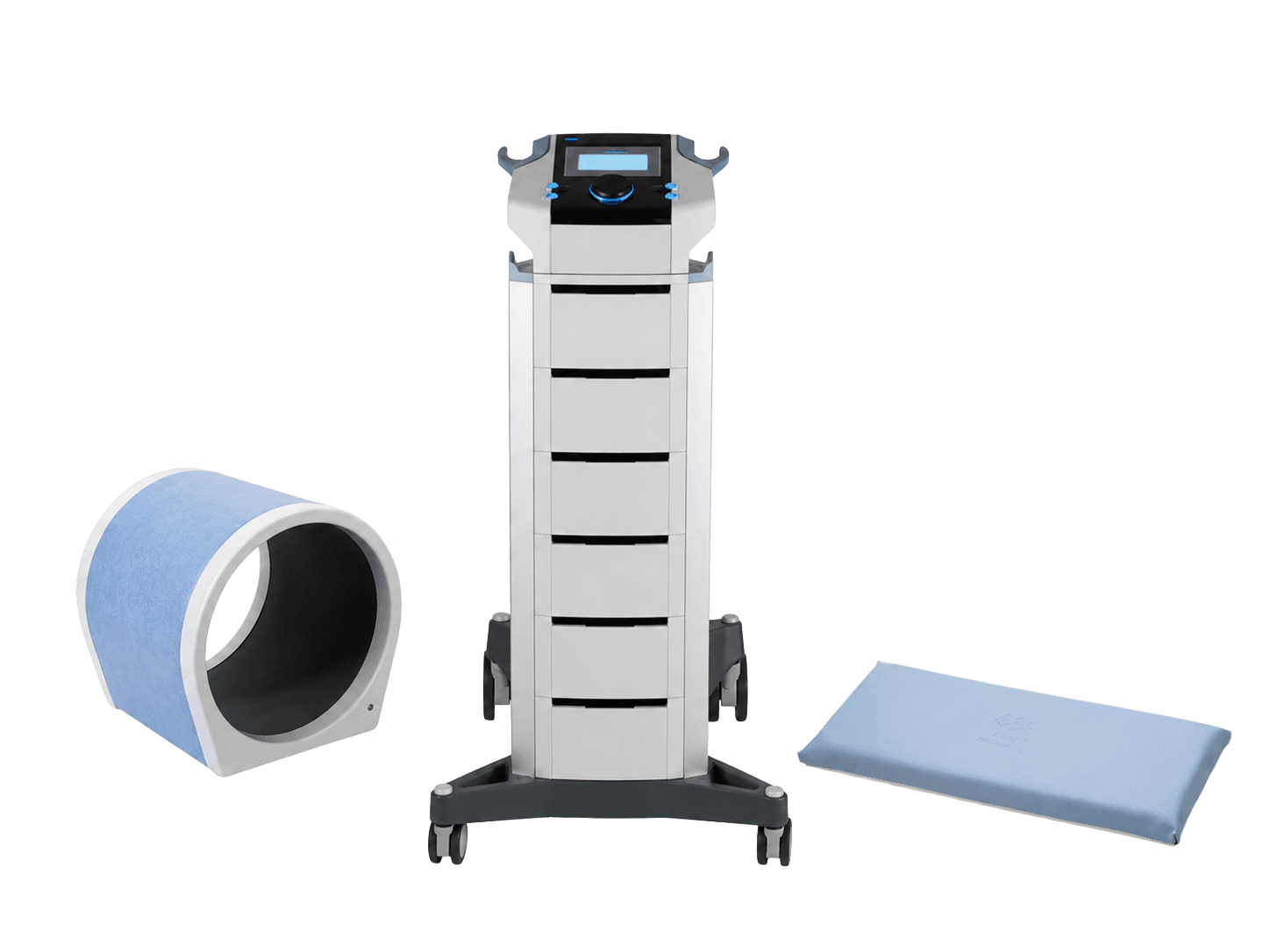
What is magnetotherapy?
Magnetotherapy acts locally or over a wider area using a magnetic field. It may be used when gentle physical therapy support is needed for soft tissues, joints and the musculoskeletal system.
The procedure is usually calm and painless. The specialist selects the appropriate applicator, area, intensity and session duration according to complaints, diagnosis, contraindications and therapy goals.
Purpose of therapy
- Reduce pain and discomfort.
- Support tissue recovery.
- Help reduce swelling and tension.
- Complement rehabilitation after injuries, overload or chronic complaints.
When may it be suitable?
- joint and soft tissue pain
- muscle tension and overload
- rehabilitation after injuries — after assessment
- swelling and support of tissue recovery
- chronic pain and movement limitations
- bone and joint system problems as part of rehabilitation
- situations where a gentle procedure without active load is needed
When is it not suitable or caution is needed?
- pacemaker, implanted defibrillator or another implanted electronic device
- pregnancy
- malignant tumour or suspicion without medical assessment
- active bleeding or high bleeding risk
- thrombosis or suspected thrombosis
- acute infection, fever or severe inflammation
- severe heart rhythm disorders or unstable health condition
- marked hypotension/hypertension or epilepsy — special assessment is needed
Before the procedure, inform the specialist if you have:
How does the procedure work?
1. Assessment
The specialist clarifies complaints, treatment area, contraindications and selects the appropriate procedure mode.
2. Preparation
The patient is positioned comfortably. Electronic and magnetically sensitive objects should be removed from the procedure area and nearby.
3. Magnetic field application
The applicator is positioned according to the treatment area. The procedure is usually painless and does not require active movement.
4. After the procedure
The specialist may recommend further load management, exercises or a combination with other physical therapy methods.
What should the patient know?
Magnetotherapy is a gentle procedure, but safety screening is important. It is especially important to inform the specialist about implanted electronic devices, pregnancy, bleeding risk, thrombosis, oncological disease and acute infection.
Is magnetotherapy suitable for you?
If you have pain, swelling, overload complaints or need support for recovery, book a visit. A specialist will assess your condition and choose the safest procedure mode.