
SIS therapy
SIS therapy is a super inductive stimulation method using a high-intensity electromagnetic field. The procedure may help reduce pain, activate muscles, improve neuromuscular control and support functional rehabilitation.
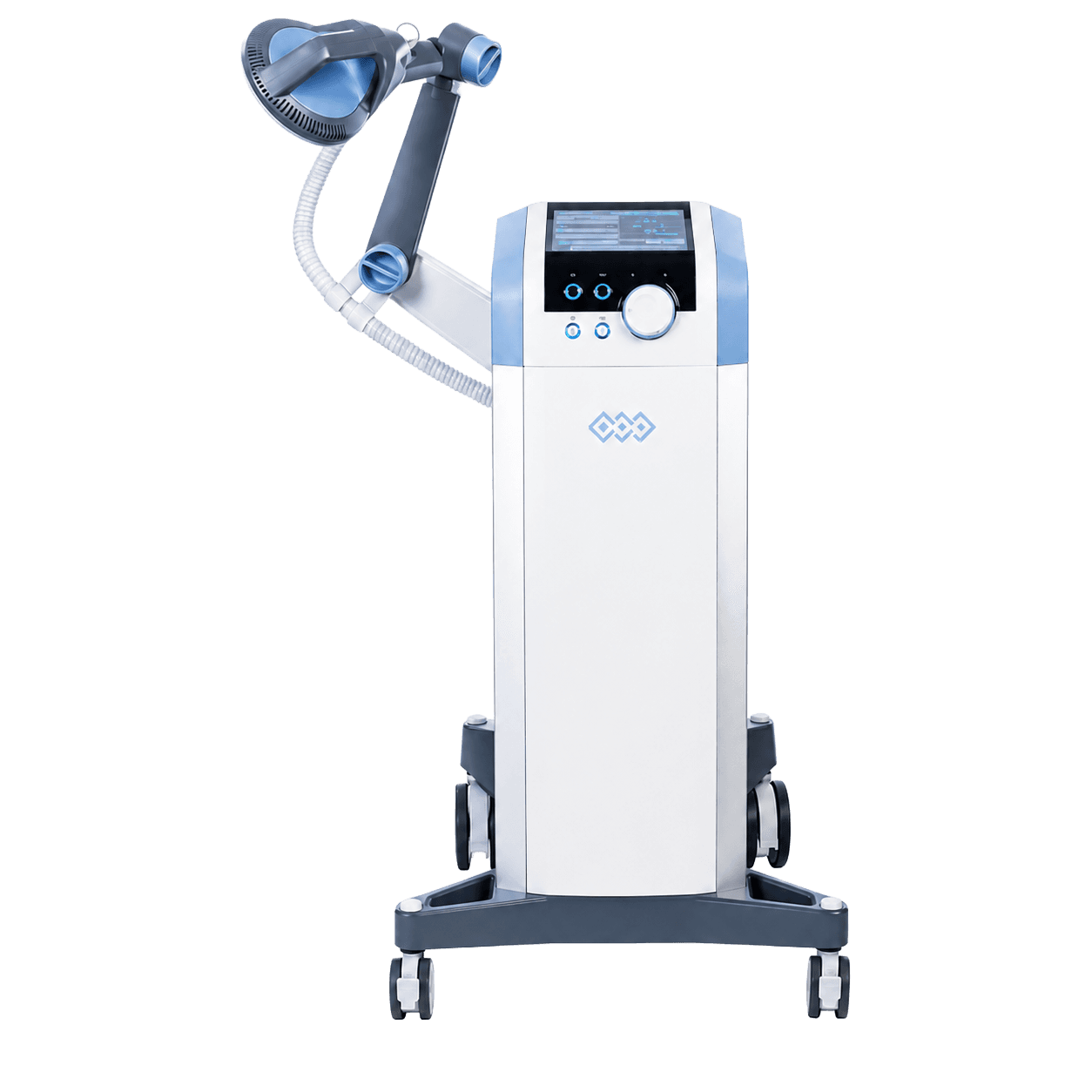
What is SIS therapy?
SIS, or Super Inductive System, acts on neuromuscular tissue using a high-intensity electromagnetic field. Depending on the selected mode, it may be used for pain reduction, muscle stimulation, muscle relaxation or support of movement function.
The procedure is performed without direct skin contact and can often be performed through clothing. The specialist selects the program, intensity, applicator position and session duration according to the patient’s condition and therapy goal.
Purpose of therapy
- Reduce pain and muscle tension.
- Activate or relax muscles according to the therapy goal.
- Improve movement control and functional ability.
- Complement rehabilitation for muscular, joint and neurological disorders.
When may it be suitable?
- acute or chronic musculoskeletal pain
- back, neck and joint pain
- muscle weakness or imbalance
- muscle spasms and increased tone
- functional rehabilitation after injuries or overload
- neurological movement disorders — after specialist assessment
- pain reduction and support of movement function during rehabilitation
When is it not suitable or caution is needed?
- pacemaker, implanted defibrillator or neurostimulator
- other implanted electronic devices or drug pumps
- metal implants in the treatment area — individual assessment is required
- application in the head or heart area
- pregnancy
- malignant tumour or suspicion without medical assessment
- fever, acute infection or marked inflammation
- haemorrhagic conditions or anticoagulation therapy
- pulmonary insufficiency or severe heart disorders
- application in the area of growth plates in children requires special caution
Before the procedure, inform the specialist if you have:
How does the procedure work?
1. Assessment
The specialist discusses complaints, evaluates contraindications and determines whether SIS therapy is suitable in the specific situation.
2. Preparation
Metal and electronic objects should be removed from the treatment area and pockets. The specialist selects applicator position and therapy mode.
3. Stimulation
During the procedure, muscle contraction, vibration, rhythmic stimulation or a deep treatment sensation may be felt. Intensity is adjusted to the patient’s comfort.
4. After the procedure
The specialist may recommend exercises, load management or a combination with other physical therapy methods.
What should the patient know?
SIS therapy creates a strong electromagnetic field, so safety screening is especially important. Before the procedure, always inform the specialist about implants, electronic devices, metal elements, pregnancy, epilepsy, bleeding risk and other serious health conditions.
Is SIS therapy suitable for you?
If you have pain, muscle tension, muscle weakness or need functional rehabilitation, book a visit. A specialist will assess your condition, contraindications and choose the safest therapy mode.