
Shockwave therapy
Shockwave therapy is a physical therapy method where high-energy acoustic waves are directed to the treatment area. It is used for muscle, tendon, ligament and chronic overload-related pain when the specialist considers it suitable after assessment.
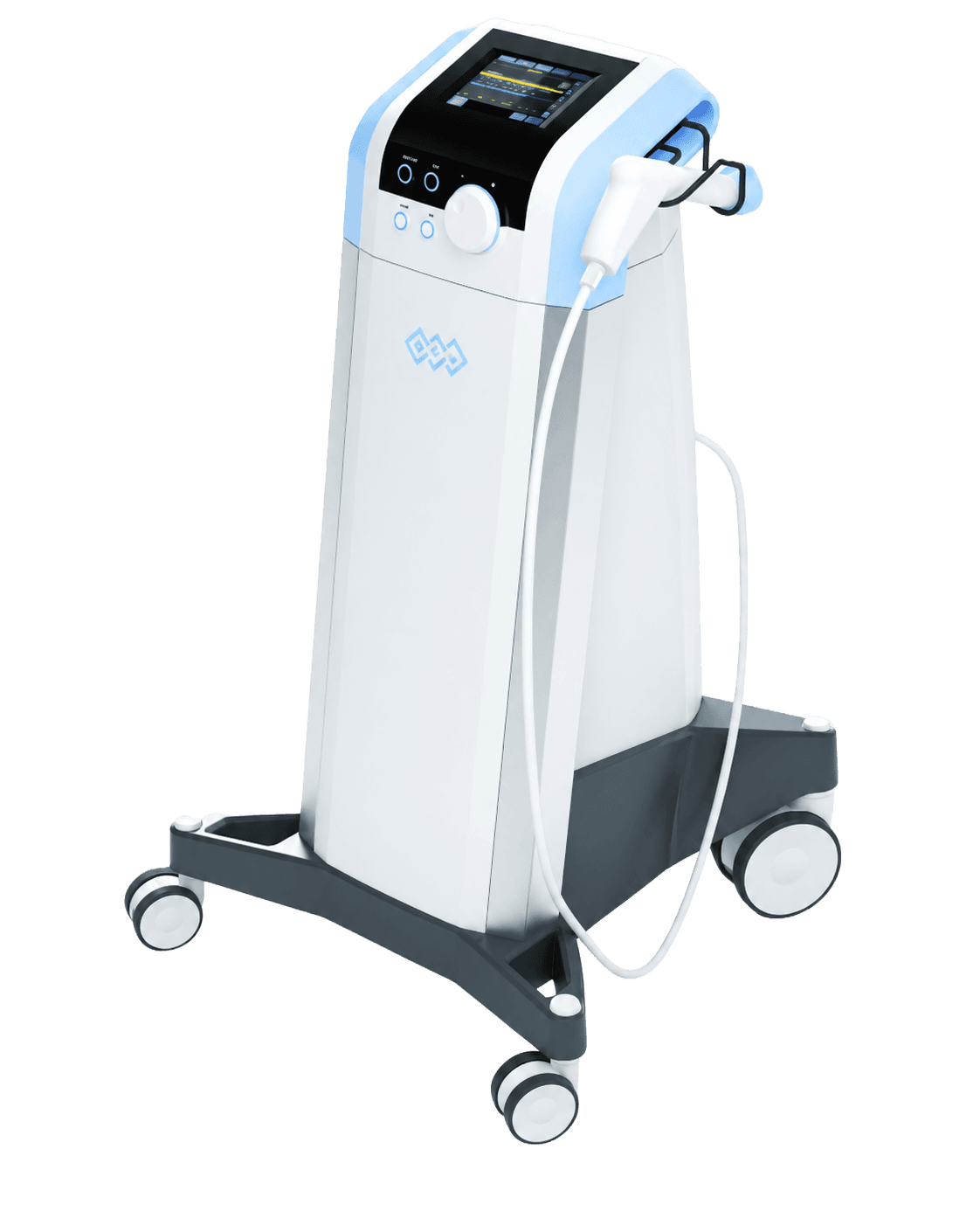
What is shockwave therapy?
Shockwave therapy acts locally on the painful or overloaded area. Acoustic impulses may stimulate tissue recovery processes, support local metabolism and help reduce pain in chronic tendon, ligament and muscle problems.
The procedure is usually used as part of a broader rehabilitation plan — together with load management, therapeutic exercise, stretching/strengthening exercises and specialist advice.
Purpose of therapy
- Reduce chronic overload-related pain.
- Support recovery of tendons, ligaments and soft tissues.
- Improve function and movement quality.
- Help the patient gradually return to daily or sports load.
When may it be suitable?
- heel pain and plantar fasciitis
- Achilles tendon pain and tendinopathy
- tennis or golfer’s elbow
- shoulder pain, tendon overload or calcifications — after assessment
- muscle trigger points and local tension
- chronic overload pain in athletes or active patients
- pain at tendon and ligament attachment sites
When is it not suitable or caution is needed?
- pregnancy — especially if the treatment area is near the abdomen or pelvis
- tumour or suspected tumour in the treatment area
- acute infection, wound or skin damage in the treatment area
- blood clotting disorders or anticoagulant therapy
- recent corticosteroid injection in the treatment area
- pacemaker or defibrillator near the treatment field
- acute fracture or suspected fracture
- marked sensory impairment in the treatment area
Before the procedure, inform the specialist if you have:
How does the procedure work?
1. Assessment
The specialist clarifies complaints, pain location, load history and checks whether there are contraindications.
2. Area preparation
The treatment area is freed from clothing. The specialist may palpate the painful point and select the precise treatment area.
3. Acoustic wave application
During the procedure, pressure, vibration or short-term discomfort may be felt. Intensity is adjusted according to the patient’s comfort.
4. After the procedure
The specialist may recommend load limitation, exercises or a further rehabilitation plan. Mild soreness after the procedure may be a normal reaction.
What should the patient know?
Shockwave therapy is not simply “breaking pain with a device”. It should be used in the correct area, at the correct dose and together with load correction. Short-term increase in pain after the procedure may be expected, but strong or unusual reactions should be reported to the specialist.
Is shockwave therapy suitable for you?
If you have chronic tendon, ligament, heel, elbow, shoulder or overload-related pain, book a visit. A specialist will assess your complaints, contraindications and help choose a safe therapy plan.